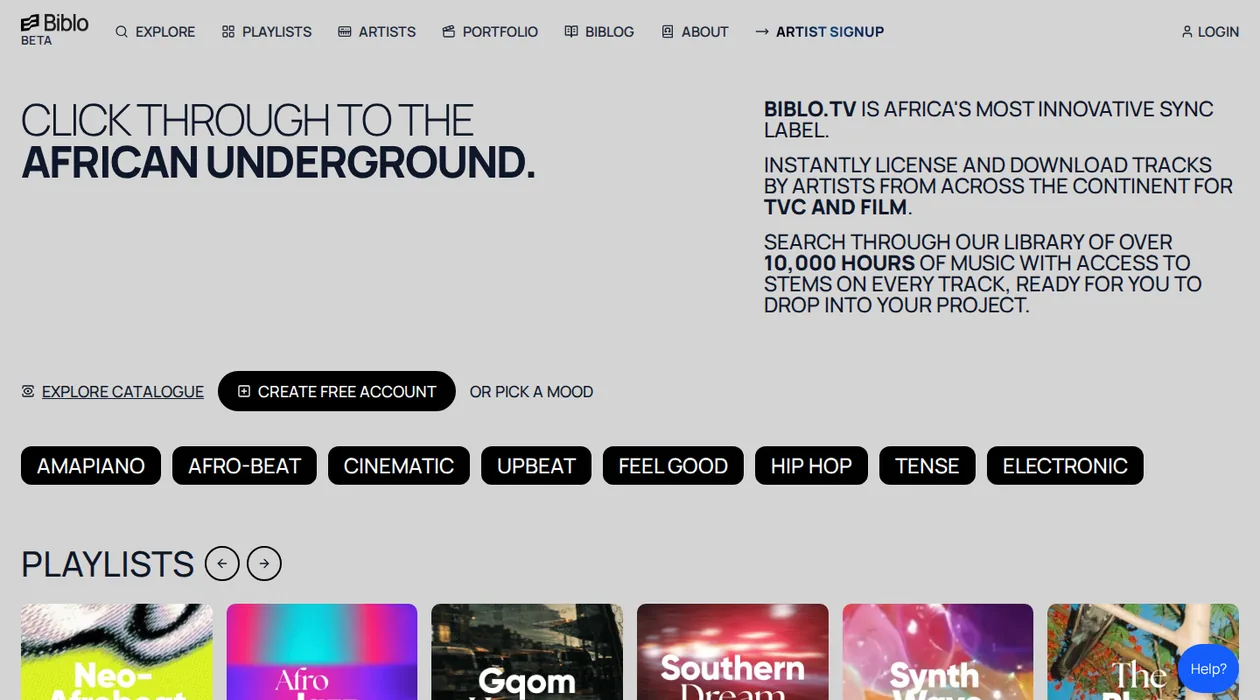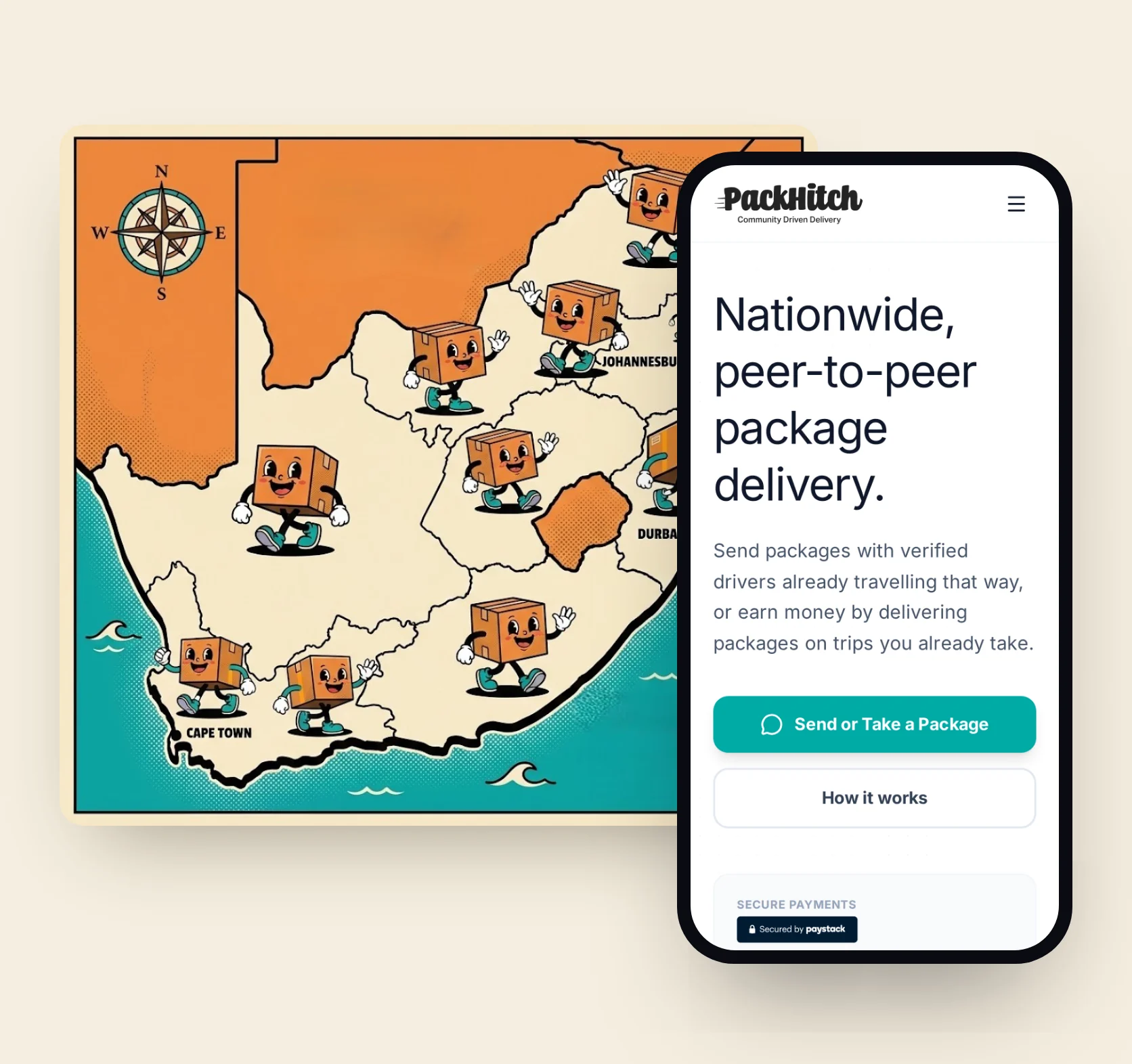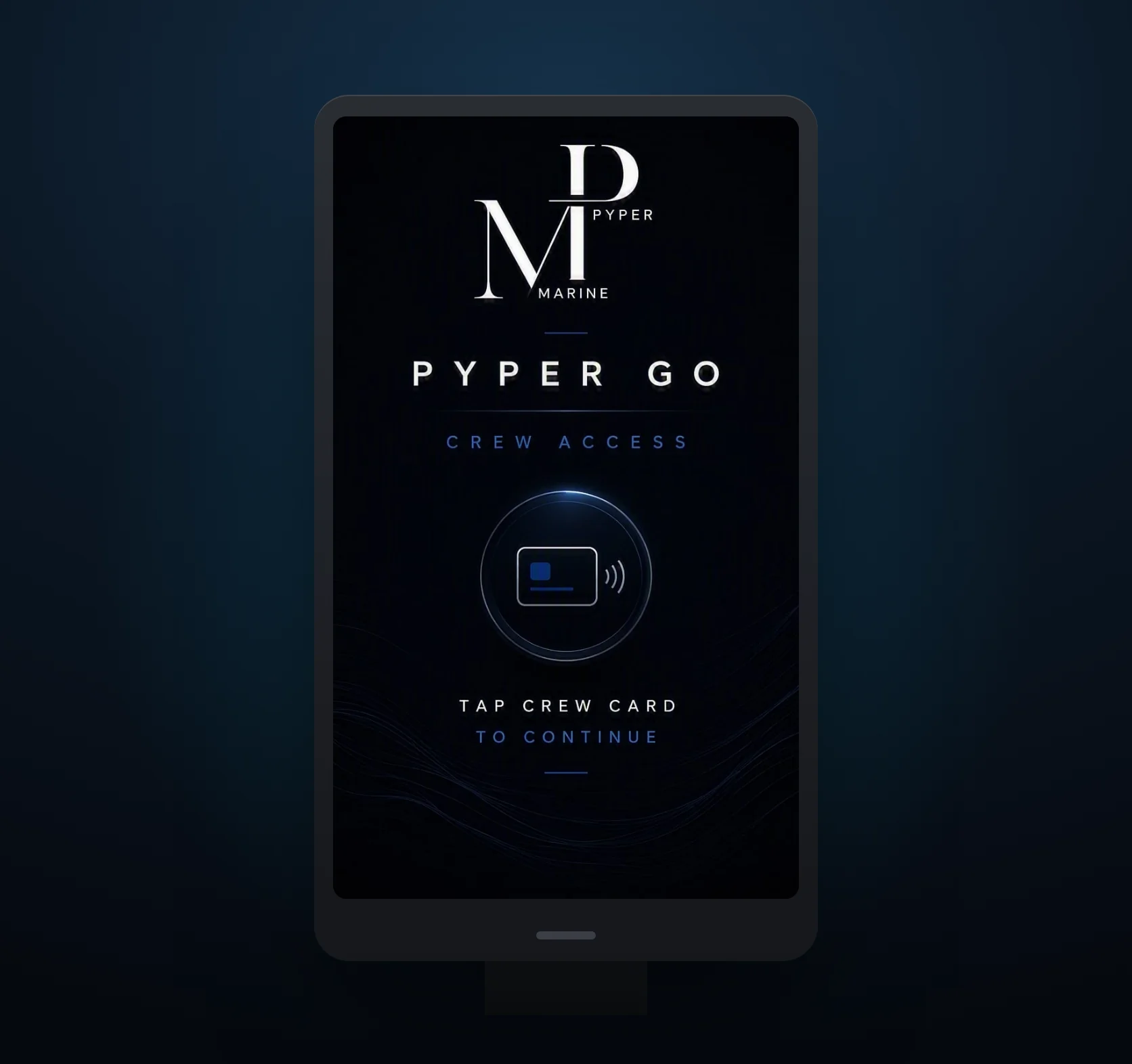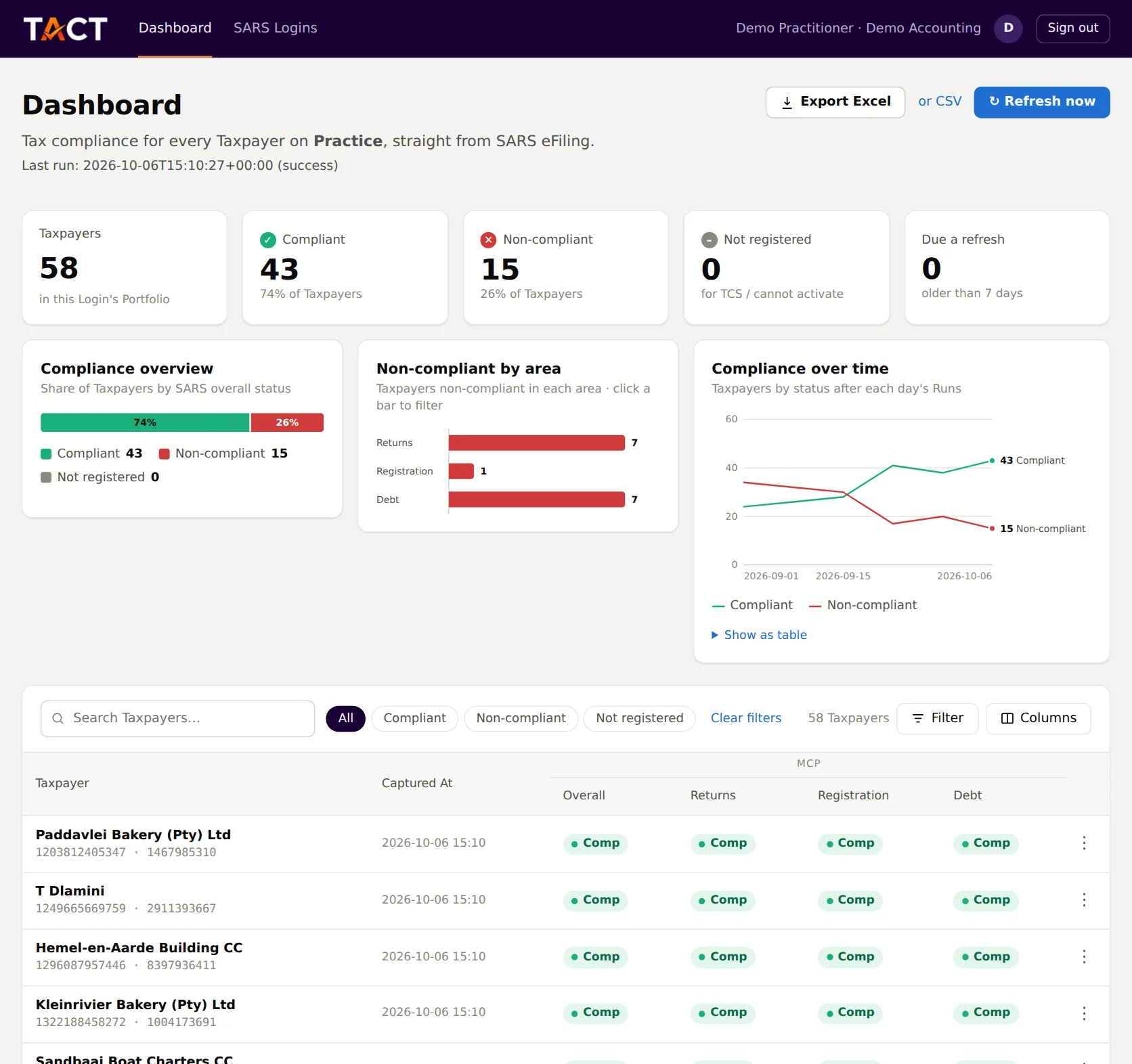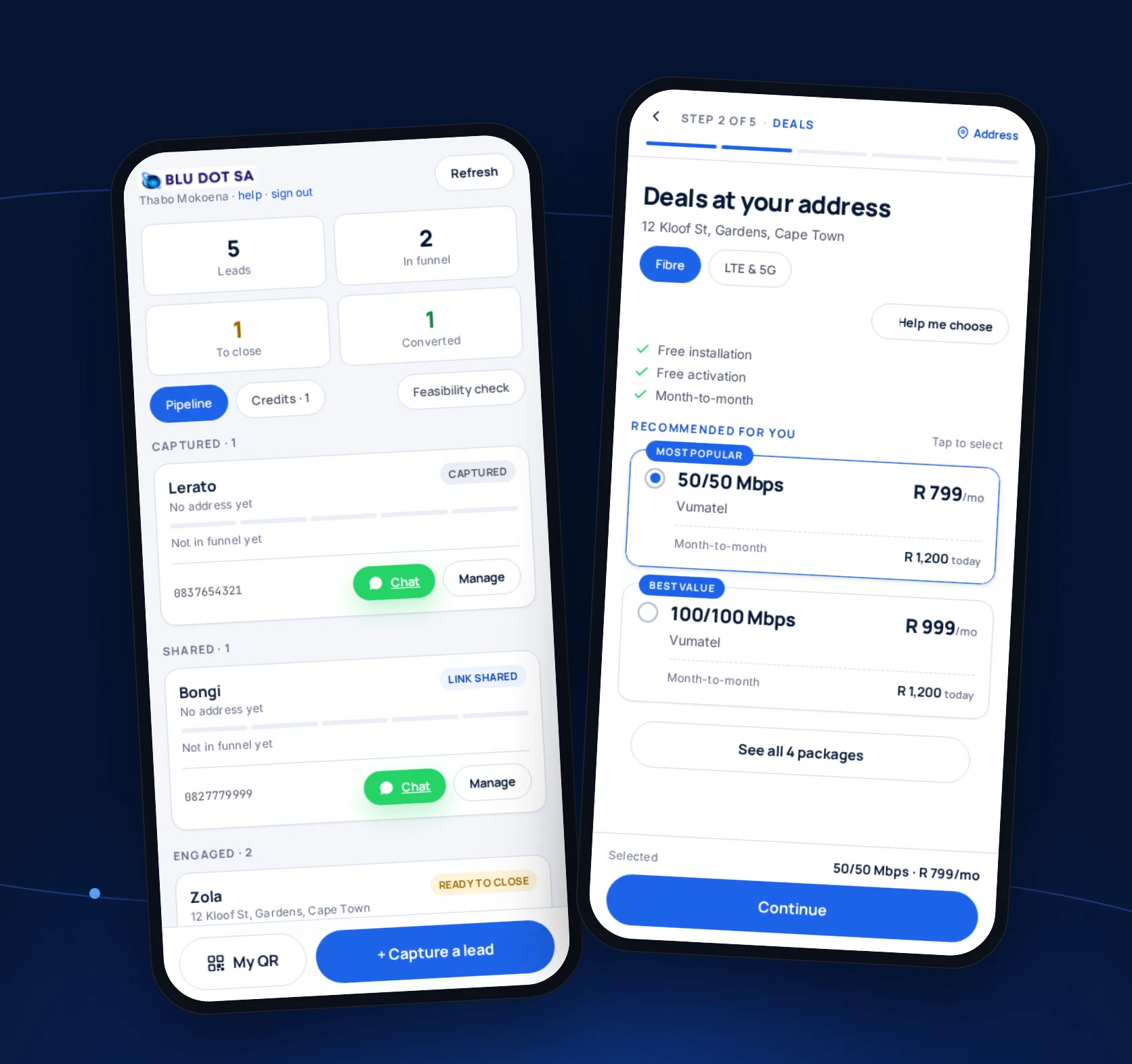

Self-checkout kiosk for a marine retailer, built on Shopify as the single system of record — NFC card identity, per-vessel B2B pricing, and stock moved to the kiosk’s location the moment an order closes.

For over a decade, we’ve helped businesses turn unusual problems
into digital products and software that move the bottom line.
Book a free 30-minute call and get:
No commitment required.
Book your free callCodeswop is part of the team. I feel like I have super powers with them by my side. We have worked together since 2018, when the project was in its infancy, and today our product is stronger than ever and competing on the world stage.
Markus WormstromFounder, Star Wars composer, Biblo.tvDean and Regardt helped us build a prototype within two weeks. They understood the problem deeply and in our first prototype iteration, we could already see massive savings on tasks that have historically been blockers to scaling our business.
Venco KrugerAssociate, Pragma KonsultWe have seen a massive boost in turnover when we started using Keychat. It has been incredible!
Chanelle KleynhansManager, La Cuccina / KeychatMoving fast with vibe coding tools is great, but at some point I needed my prototyped ideas to become real functional software systems that can work in production for real users. The team not only helped me achieve this, but also leaned in heavily on how we could improve and build the business better.
Craig DewartFounder, My Content Pal


These projects show the method at work — from first prototypes to platforms in production.
When you move fast, complexity grows exponentially.
Without strict management, each new feature makes the next one harder. Progress slows and costs rise.
“We flatten the complexity curve. Your software remains as easy to change on day 1,000 as it was on day one.”
We plan, build and connect software for businesses that need to move fast. AI is part of how we build, and part of what we help your team do.
We map goals, scope and risks before anyone writes code.
We start with the problem, not a feature list. You get a clear plan: what to build first, what can wait, and where the risks are.
Your tools, platforms and partners, joined so data moves without manual work.
We connect the systems you already use, so each record is entered once. Each connection handles errors and retries, so one failed call does not become a lost order.
The interfaces people use, and the systems underneath that drive the outcomes.
When off-the-shelf tools do not fit how you work, we build software that does. It is designed to change, so it keeps up as your business grows.
We replace manual steps and paperwork with software your team uses every day.
We learn how the work is done today, then build tools that fit it. Your team gets fewer steps and less rework.
We use AI to build your software faster.
AI writes code fast. Our engineers direct it and examine each change. The design stays clean, so each new feature is as easy to add as the last.
We find the work that AI can do in your business.
We do a workshop with the people who do the work. Then we build a working prototype in days. Fixed rules in code protect the parts that must be exact, and a person approves each important output.
About rapid prototypingMost software projects miss the mark. Only 29% are delivered on time, on budget and with a satisfactory result. Large IT projects run 45% over budget on average, and deliver 56% less value than predicted. Each pillar counters a known cause.
Sources: Standish Group, CHAOS Report 2015; McKinsey & University of Oxford, 2012.
We plan before we build.
39%
of organisations name inaccurate requirements as a primary cause of failed projects.
In the first stage we map your goals, scope and risks in a Strategic Decision Framework. Each objective is a hypothesis. Evidence decides which ones stay. The decision to build stays yours.
We put software in front of real users early.
61%
of small software projects succeed. Among the largest, only 6% do.
A small, focused product gets real feedback fast. Cheap experiments early make confident commitments possible later.
We manage complexity as the product grows.
13.5 hrs
of a developer's 41-hour week goes to technical debt.
Each release adds complexity. We refactor, simplify and harden the design, so new features stay as easy to add as the first ones. We call this flattening the complexity curve.
Stage 1
Stage 2
Stage 3
No commitment required.
Codeswop was founded in 2016 by Regardt Nel and Dean Harber. A decade of shipping later, the people you talk to are still the people who do the work.
One hour with us, at no cost. You walk away with a planning document — no commitment.
Step 1 of 2
Each session is one hour. Sessions are available Monday to Friday, from 9:00 to 14:00, South African time (SAST). You can book up to 14 days ahead.
Thu 24 Sept — available times
Do not let technical debt control your product roadmap. Talk to us about how Codeswop keeps your development fast, clean, and aligned with your business goals.